 (732) 440-1760
  3415 Sunset Avenue, Ocean, NJ 07712
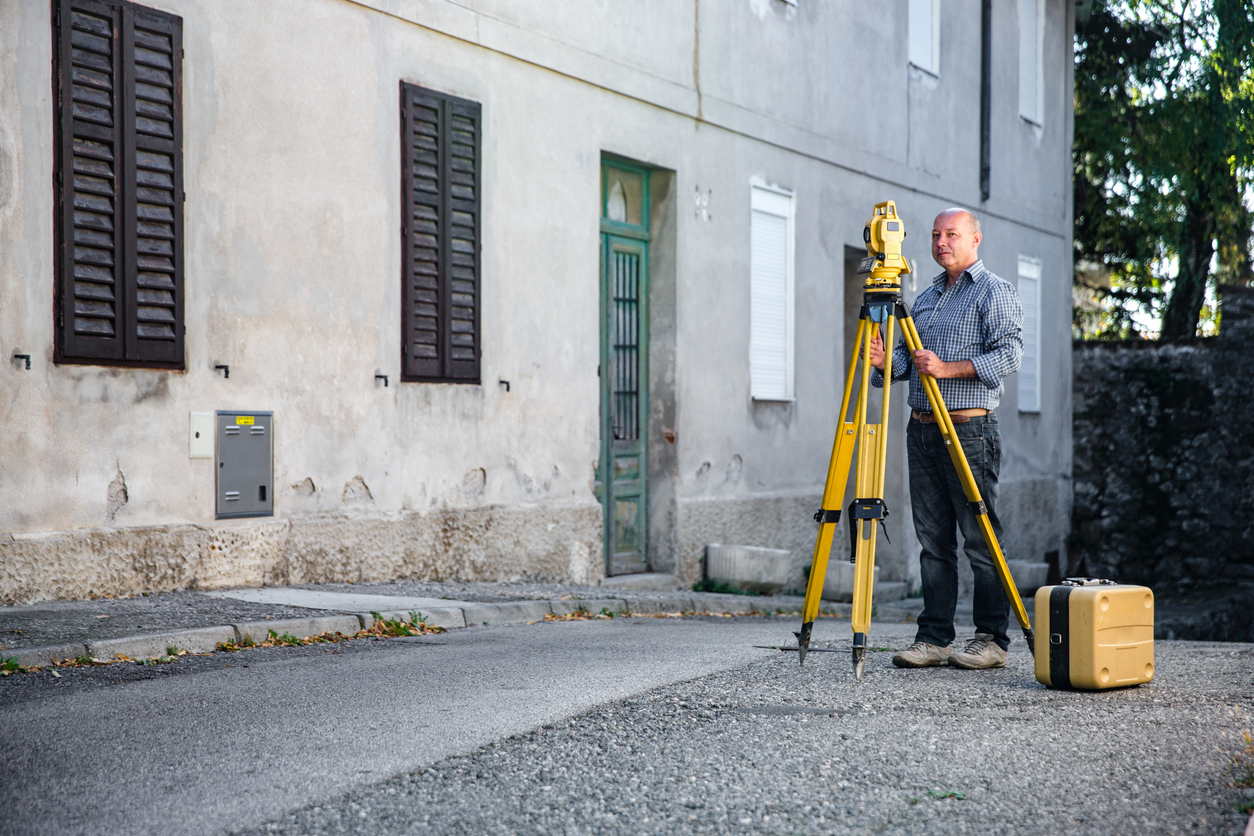
When you’re buying or selling a home, the focus tends to fall on price, inspections, and closing dates. But one step that often gets overlooked, one that can protect everyone at the table, is the property survey.
What is a Property Survey?
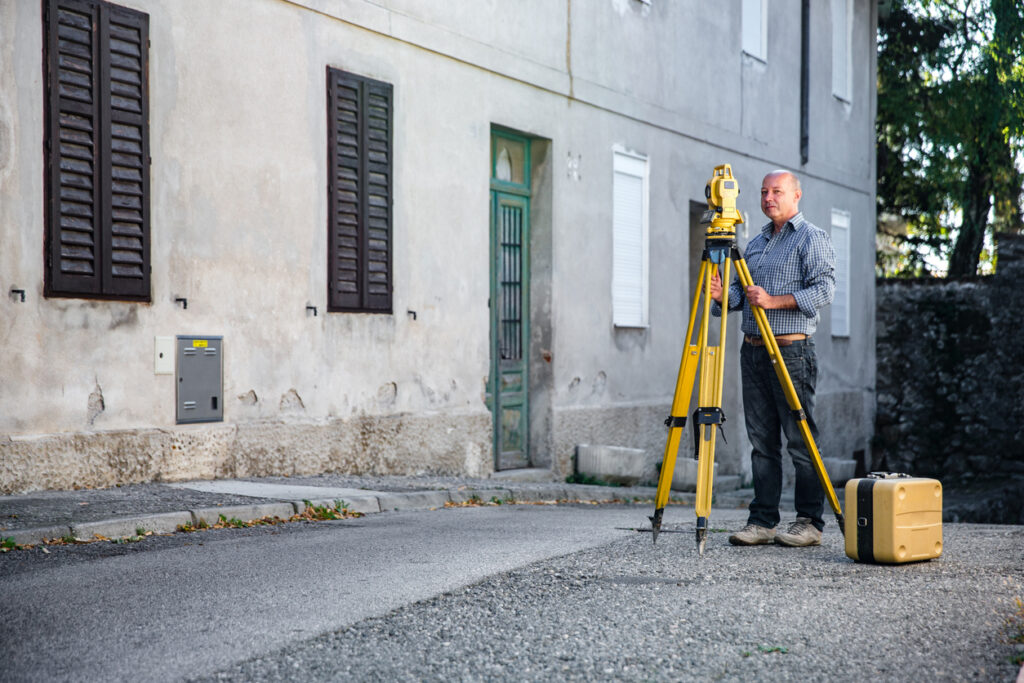
A property survey is a formal document prepared by a licensed land surveyor that defines the exact legal boundaries of a parcel of land. It identifies:
- The precise location and dimensions of the property
- Where the lot lines are in relation to neighboring parcels
- The location of any structures, driveways, fences, or improvements on the land
- Easements, encroachments, and other conditions that may affect how the property can be used
Think of it as a detailed, legally recognized map of what you’re actually buying or selling, not just what was assumed.
Why Surveys Matter for Buyers
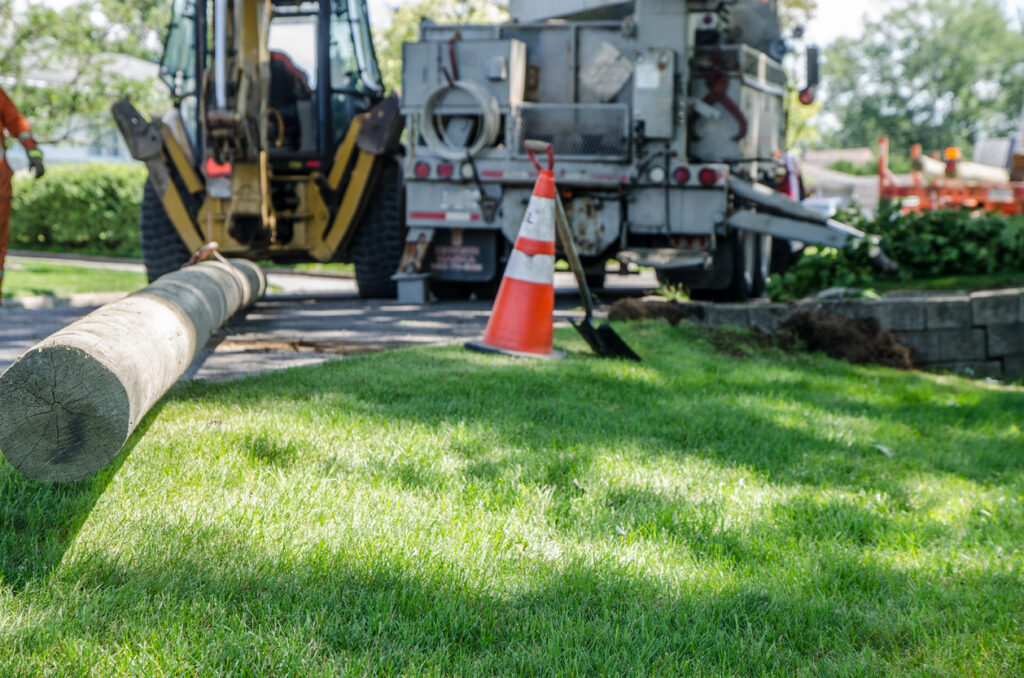
Without a survey, you may not know exactly where your land begins and ends.
What a survey can reveal for buyers:
- Encroachments: A neighbor’s fence, shed, or driveway may be sitting on your future property.
- Boundary disputes: The legal lot line may be different from where everyone assumed it was.
- Easements: Utility companies, municipalities, or neighboring property owners may have a legal right to use a portion of your land.
- Zoning and setback issues: Structures on the property may not comply with local regulations.
- Missing or landlocked access: In some cases, a survey reveals the property has no legal access to a public road.
Any one of these issues can affect your ability to use the property, your mortgage approval, and the long-term value of your investment. Discovering them before closing gives you the opportunity to negotiate, seek resolution, or walk away.
Why Surveys Matter for Sellers
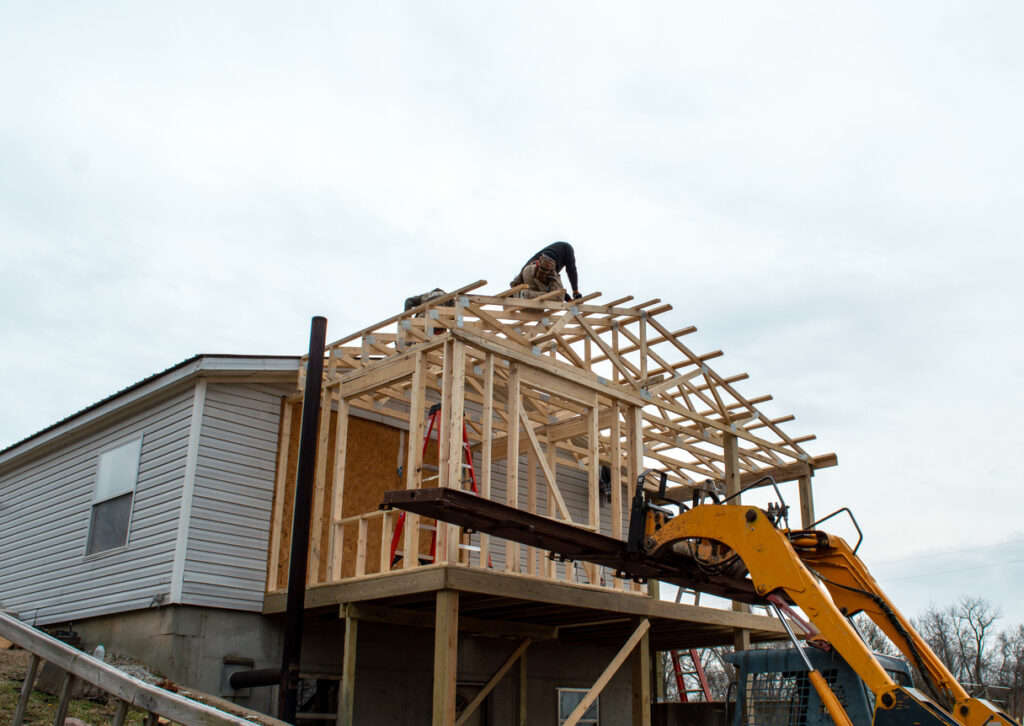
Sellers benefit from a current survey, too. Many sellers rely on the survey from when they purchased the property, but a lot can change over years of ownership.
Common changes that may affect a seller:
- Additions, pools, patios, or sheds added after the original survey
- Shared driveways or fences that have shifted over time
- Neighbor improvements that may now encroach on your land
- Changes in recorded easements or utility right-of-ways
Having an updated survey on hand allows you to present your property with confidence and avoid surprises that could delay or derail a closing.
When Should a Survey Be Ordered?

The best time to order a survey is early in the transaction, ideally once a contract is signed and before the inspection period closes. This gives all parties time to review the findings and address any issues without creating pressure at the closing table.
How Surveys Connect to Title Insurance
A property survey and title insurance work hand in hand. During the title search process, our team at Bluestone Title researches the full chain of ownership and looks for any recorded liens, claims, or encumbrances affecting a property.
But recorded title records don’t always tell the full story. A survey provides the physical picture to match the legal one.
In fact, many title insurance policies contain a “survey exception,” meaning that if a survey issue arises after closing, it may not be covered unless a current survey was obtained.
Ordering a survey and sharing it with your title company helps ensure that your title protection is as complete as possible.